
NextPhase Energy Group Pty Ltd (NPEG)
✓ ACT Electrical License: 2026236
✓ ABN: 35 694 992 197
✓ ACN: 694 992 197
✓ Evo Energy Registered Network Boundary Business
✓ Public Liability Insurance: $20,000,000 cover
✓ Professional Indemnity Insurance covering operational support and advisory services
✓ Detailed Inspection Reports
✓ Specialist EVSE Testing
Ensure Your EV Charger is Safe, Compliant & Ready to Charge
As electric vehicle ownership continues to grow, residential, commercial and apartment EV charging systems are becoming a critical part of modern electrical infrastructure. EV chargers require regular inspection and testing to ensure they remain safe, compliant, and operating correctly.
At NextPhase Energy Group (NPEG), we provide professional EV charger inspection and testing services for:
Residential homes
Apartment complexes
Body corporates and strata properties
Public/Commercial EV Chargers
Multi-residential developments
Townhouse communities
Shared EV charging facilities
Workplace and fleet charging stations
Our comprehensive testing process verifies that your EV charging equipment is operating safely, the protective devices are functioning correctly, and the installation complies with Australian Standards and manufacturer requirements.
Why EV Charger Testing Matters
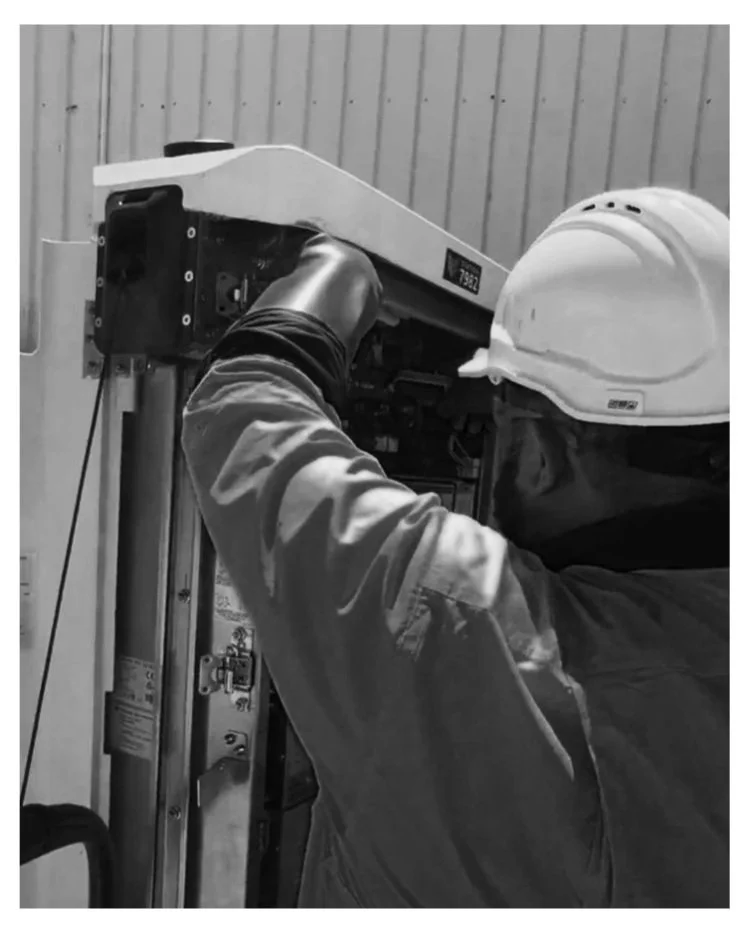
Unlike standard power outlets, EV chargers contain sophisticated electronics, communication systems, protective devices and high-current circuits that operate for extended periods.
Many faults cannot be detected visually and may only become apparent through specialised testing. Industry guidance recommends periodic inspection and verification to ensure charging systems continue operating safely and reliably. The purpose of testing is to verify the correct operation of both the charger and its associated electrical infrastructure.
Regular testing helps identify:
✓ Faulty RCD protection
✓ Damaged charging cables and connectors
✓ Earth continuity issues
✓ Insulation deterioration
✓ Incorrect charger operation
✓ Communication faults between vehicle and charger
✓ Potential electric shock hazards
✓ Non-compliant installations
✓ Reduced charging performance
✓ Hidden electrical faults before they become costly
Homeowners
If you have a wall-mounted EV charger at home, periodic testing ensures:
Safe operation
Protection of your vehicle
Compliance with electrical safety requirements
Continued manufacturer warranty support
Early detection of faults
Australian Standards Compliance
Our testing procedures align with applicable Australian Standards and industry guidance, including:
Relevant Standards
AS/NZS 3000 – Wiring Rules
AS/NZS 3017 – Verification Guidelines
AS/NZS 3019 – Periodic Verification
AS/NZS 3760 – In-Service Safety Inspection & Testing
AS IEC 61851 – Electric Vehicle Conductive Charging Systems
IEC 62955 – Residual Direct Current Detecting Devices
Testing requirements vary depending on charger type, installation environment and intended use.
Our EV Charger Inspection & Testing Service
Our technicians use specialised EVSE (Electric Vehicle Supply Equipment) testing equipment designed specifically for EV charging infrastructure.
We perform both electrical verification and functional testing to ensure the charger operates exactly as intended.
-
We inspect:
Charger enclosure condition
Mounting integrity
Charging cables
Connectors and plugs
Signage and labelling
Isolation devices
Evidence of overheating
Water ingress or corrosion
Mechanical damage
-
We verify the integrity of the protective earth conductor to ensure:
Correct fault current paths
Effective operation of protective devices
Protection against electric shock
-
Insulation testing identifies:
Deteriorated cable insulation
Moisture ingress
Hidden wiring faults
Potential leakage currents
This test confirms the electrical installation remains safe and compliant.
-
Loop impedance testing confirms that protective devices will disconnect safely in the event of a fault.
We test:
Earth loop impedance
Line impedance
Fault current capability
-
Residual Current Devices (RCDs) are one of the most important safety features in an EV charging installation.
We verify:
Trip current
Trip times
Correct operation under fault conditions
AC and DC fault protection functionality where applicable
Many EV chargers include specialised protection systems requiring dedicated testing procedures.
-
Beyond electrical testing, we simulate vehicle charging conditions to verify charger functionality.
Control Pilot (CP) Testing
We test communication between:
Charger
Electric vehicle
This verifies the charger correctly responds to vehicle connection states and charging requests.
Proximity Pilot (PP) Testing
We verify:
Cable recognition
Charging current limits
Safe charging operation
-
Using specialised EVSE testing equipment, we can simulate fault conditions including:
Open earth faults
Control pilot faults
Communication failures
Protective conductor faults
This ensures the charger responds correctly during abnormal operating conditions.
-
Where applicable, we perform load testing to verify:
Charger output performance
Voltage stability
Current delivery capability
Charging functionality under real-world conditions
Who Needs EV Charger Testing?
Apartment, Strata & Commercial Properties
Shared charging infrastructure introduces additional risks due to:
Multiple users
Higher utilisation rates
Shared electrical distribution systems
Load management systems
Networked charging platforms
Regular testing helps strata managers and body corporates:
Demonstrate due diligence
Reduce liability risks
Improve charger reliability
Protect residents and visitors
Maintain asset value
Property Developers & Owners
For new developments, commissioning inspections verify:
Correct installation
Compliance with design specifications
Safe operation before handover
Proper protective device functionality
Protect your investment, maintain compliance and ensure your EV charger is operating safely.
Contact NextPhase Energy Group below to arrange a Residential, Commercial or Apartment EV Charger Inspection, Testing or Service.
FAQs
How often should an EV charger be inspected?
1
Inspection frequency depends on the charger type, environment and usage levels. Apartment and shared-use chargers typically require more frequent inspections than private residential chargers.
Do I need testing if my charger appears to be working?
2
Yes. Many electrical faults cannot be identified visually and may not immediately affect charging performance.
Can you inspect apartment charging systems?
3
Yes. We specialise in multi-residential EV charging infrastructure including strata, body corporate and apartment developments.
Yes. We can inspect and test most residential and commercial EV charging systems, including single-phase and three-phase chargers.
Can you inspect all charger brands?
4
Do you provide compliance reports?
5
Absolutely. Every inspection includes a detailed report outlining findings, test results and recommendations.