
EV Charger Fault Finding & Repair Support
✓ ACT Electrical License: 2026236
✓ ABN: 35 694 992 197
✓ ACN: 694 992 197
✓ Evo Energy Registered Network Boundary Business
✓ Public Liability Insurance: $20,000,000 cover
✓ Professional Indemnity Insurance covering operational support and advisory services
✓ Detailed Inspection Reports
✓ Specialist EVSE Testing
EV Charger Not Working? We Can Help Identify the Problem.
EV chargers are sophisticated electrical systems combining high-current electrical infrastructure, protective devices, communications, control electronics and vehicle interfaces.
When something goes wrong, the cause is not always obvious.
NextPhase Energy Group (NPEG) provides professional EV charger fault finding, diagnostic testing and technical support to help identify charging faults, performance problems and reliability issues.
We support EV charging infrastructure across:
Residential homes
Apartment complexes
Body corporate and strata properties
Commercial properties
Workplaces
Fleet charging facilities
Shared EV charging systems
Public and commercial charging infrastructure
Whether your charger has stopped working completely, is charging intermittently, is operating slower than expected or is displaying an unexplained fault, NPEG can investigate the system and help determine the cause.
EV Charger Fault? Talk to NPEG
Finding the Cause — Not Just the Symptom
EV charger fault finding requires more than confirming whether power is present.
Modern EV charging equipment communicates with the vehicle and continuously monitors electrical and safety conditions before and during charging.
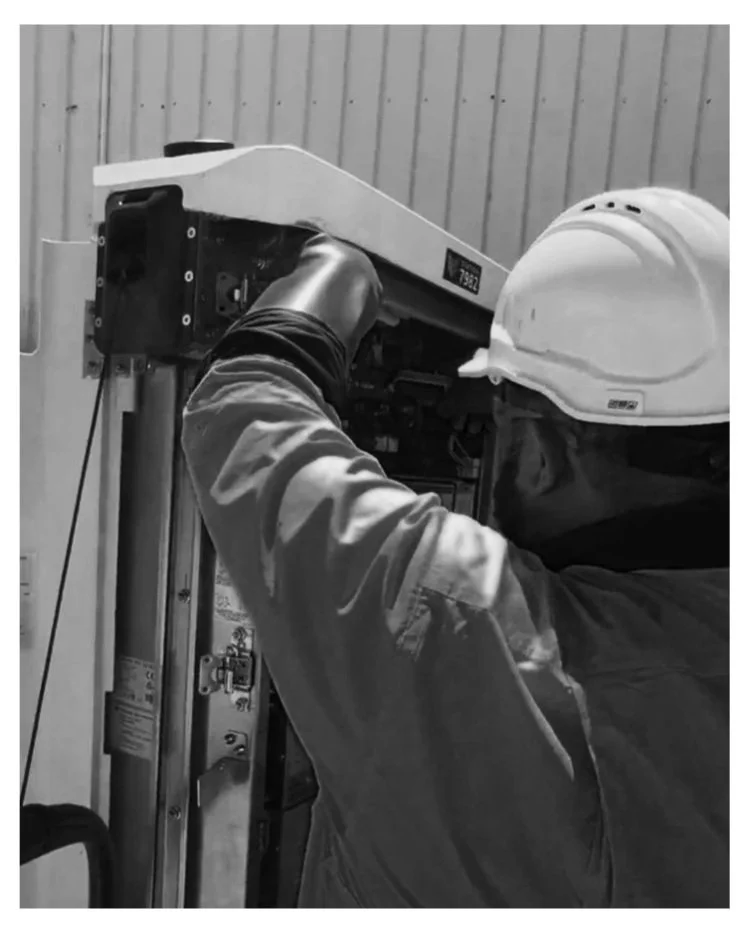
NPEG uses electrical test instruments and specialised EVSE testing equipment to investigate both the electrical installation and operation of the charger.
Our objective is to systematically identify the likely source of the fault and provide practical recommendations for the next step.
Common EV Charger Problems We Investigate
EV charging faults can originate from the charger itself, the electrical installation, protective devices, communications, configuration or the connection between the charger and vehicle.
We investigate problems including:
✓ EV charger not charging
✓ Charger repeatedly stopping during charging
✓ Intermittent charging faults
✓ EV charger tripping the circuit breaker or RCD
✓ Charger showing fault or error indications
✓ Vehicle not communicating with the charger
✓ Charging starting and stopping unexpectedly
✓ Reduced charging speed or performance
✓ Charging cable or connector problems
✓ Charger appearing powered but not charging
✓ Electrical protection faults
✓ Earth or insulation faults
✓ Communication and control pilot faults
✓ Damage, overheating or deterioration
✓ Unexplained reliability issues
A charger that appears to have failed does not necessarily mean the entire unit requires replacement. Proper testing can help identify whether the problem is within the charger, the electrical supply, protective equipment, cabling, configuration or another part of the charging system.
Apartment, Strata & Commercial EV Charger Faults
Shared EV charging infrastructure can be more complex than an individual residential charger.
Apartment, workplace and commercial charging systems may incorporate:
Multiple EV chargers
Shared electrical infrastructure
Load management systems
Network communications
Access control
Back-end charging platforms
Dedicated distribution boards
Multiple users and vehicles
When a charger stops working, the problem may therefore extend beyond the individual charging unit.
NPEG can investigate the charger and associated electrical infrastructure to help determine where the problem is occurring.
This provides strata managers, body corporates, property managers and asset owners with better information before committing to repairs or replacement.
Australian Standards Compliance
Our testing procedures align with applicable Australian Standards and industry guidance, including:
Relevant Standards
AS/NZS 3000 – Wiring Rules
AS/NZS 3017 – Verification Guidelines
AS/NZS 3019 – Periodic Verification
AS/NZS 3760 – In-Service Safety Inspection & Testing
AS IEC 61851 – Electric Vehicle Conductive Charging Systems
IEC 62955 – Residual Direct Current Detecting Devices
Testing requirements vary depending on charger type, installation environment and intended use.
Our EV Charger Fault Finding Process
Our technicians use specialised EVSE (Electric Vehicle Supply Equipment) testing equipment designed specifically for EV charging infrastructure.
-
We begin by inspecting the charger and associated infrastructure for visible signs of damage or deterioration.
We inspect:
Charger enclosure
Charging cables
Plugs and connectors
Mounting and physical condition
Isolation equipment
Electrical protection devices
Signs of overheating
Water ingress
Corrosion
Mechanical damage
Labelling and installation condition
Visible damage can provide important clues, but many EV charger faults cannot be identified through visual inspection alone.
-
We verify the electrical supply supporting the charger.
Testing may include:
Supply voltage
Circuit condition
Protective earth continuity
Earth loop impedance
Insulation resistance
Protective device operation
Electrical connections
Voltage stability
This helps determine whether the fault originates from the EV charger or the electrical infrastructure supplying it.
-
EV charging installations use electrical protection systems designed to disconnect the supply when unsafe conditions occur.
We can test:
RCD operation
Trip current
Trip times
Protective device operation
AC and DC fault protection functionality where applicable
Repeated tripping can indicate a genuine electrical fault, a protection issue, a charger problem or a problem elsewhere within the installation.
Testing helps determine what is actually causing the protective device to operate.
-
A charger may have power and appear operational while still failing to correctly initiate or maintain a charging session.
Using specialised EVSE testing equipment, we can simulate vehicle connection and charging conditions without relying solely on a vehicle for diagnosis.
This allows us to assess how the charger responds through different operating states.
-
EV chargers communicate with vehicles before allowing charging to begin.
We can test the Control Pilot (CP) functions used for communication between the charger and vehicle.
This can help identify problems associated with:
Vehicle detection
Charging requests
Charger readiness
Communication states
Charging current signalling
Abnormal operating conditions
Communication faults can sometimes appear to the user as a charger that simply refuses to charge.
-
Where applicable, we verify Proximity Pilot (PP) functionality associated with charging cable detection and current capability.
Testing can help identify issues involving:
Cable recognition
Connector operation
Charging current limits
Charging cable condition
Safe charging operation
-
Specialised EVSE testing equipment allows us to simulate selected abnormal operating conditions and observe how the charger responds.
Depending on the charger and installation, this may include simulation of:
Open earth conditions
Control pilot faults
Communication faults
Protective conductor faults
This provides valuable diagnostic information when investigating intermittent or unexplained charger behaviour.
-
Where appropriate, testing may also be undertaken to assess charger operation under load.
This can include checking:
Charger output
Voltage stability
Current delivery
Charging performance
Operation during a charging session
This can be particularly useful when investigating chargers that operate but appear to charge slowly, stop unexpectedly or behave differently under load.
Once We Identify the Problem, What Happens Next?
The first step in any effective repair is understanding what has actually failed.
Once testing is complete, NPEG can explain the findings and recommend an appropriate course of action.
Depending on the fault, this may involve:
Electrical rectification
Repair or replacement of damaged electrical components
Protection device rectification
Cable or connector replacement
Charger configuration or reset
Manufacturer or network operator support
Replacement parts
Charger manufacturer warranty support
Further specialist repair
Replacement of the charging unit where repair is not practical
Where a fault can be appropriately rectified within our scope, we can discuss the required work with you.
Where specialist manufacturer support or replacement equipment is required, we can provide clear diagnostic information to assist with the next stage of the repair process.
Our focus is on identifying the problem first, rather than recommending unnecessary replacement of equipment.
Preventative EV Charger Maintenance
Don't Wait for a Complete Failure
EV chargers are infrastructure assets and benefit from periodic inspection and maintenance.
Regular inspection can help identify deterioration and emerging faults before they result in complete charger failure.
Preventative maintenance may include:
Visual condition inspection
Charging cable and connector inspection
Electrical testing
RCD testing
Earth continuity testing
Insulation testing
Functional EVSE testing
Fault simulation
Charger performance checks
Identification of deterioration or damage
For commercial, apartment, strata and fleet charging infrastructure, periodic inspection can also support better asset management and maintenance planning.
Protect your investment, maintain compliance and ensure your EV charger is operating safely.
Contact NextPhase Energy Group below to arrange a Residential, Commercial or Apartment EV Charger Inspection, Testing or Service.
FAQs
How often should an EV charger be inspected?
1
Inspection frequency depends on the charger type, environment and usage levels. Apartment and shared-use chargers typically require more frequent inspections than private residential chargers.
Do I need testing if my charger appears to be working?
2
Yes. Many electrical faults cannot be identified visually and may not immediately affect charging performance.
Can you inspect apartment charging systems?
3
Yes. We specialise in multi-residential EV charging infrastructure including strata, body corporate and apartment developments.
Yes. We can inspect and test most residential and commercial EV charging systems, including single-phase and three-phase chargers.
Can you inspect all charger brands?
4
Do you provide compliance reports?
5
Absolutely. Every inspection includes a detailed report outlining findings, test results and recommendations.